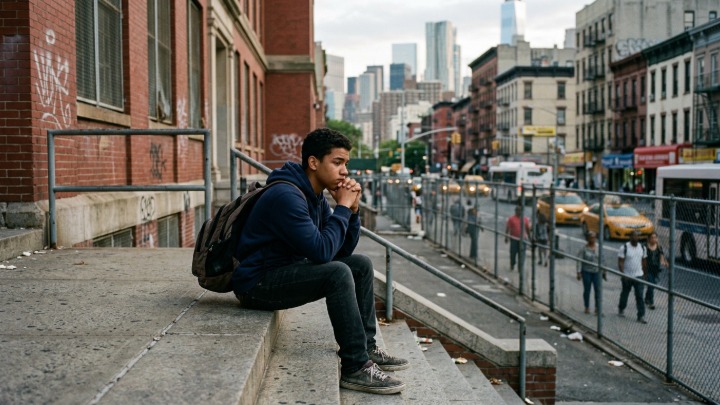
Every time someone in New York buys an eighth at a licensed dispensary, part of the tax is supposed to come back to the neighborhoods that took the hardest hits during decades of drug enforcement. This summer, the state pointed to one of the first places that money has visibly landed: a room full of young people in the South Bronx.
On July 30, the New York State Office of Cannabis Management (OCM) and the Cannabis Advisory Board (CAB) announced that the PODER Youth Leadership Collective had graduated its first cohort of 13 young people. The program is run by Community Connections for Youth (CCFY), a South Bronx nonprofit that has spent years building community-based alternatives to incarceration for young people, and it was funded through the state’s Community Grants Reinvestment Fund (CGRF).
PODER, Spanish for “power,” is a nine-month workforce and leadership program for justice-involved youth ages 15 to 24. According to the state, participants meet for workshops every two weeks, go on field visits, and do community service, all led by neighborhood members and peer mentors. Each young person builds a personal leadership plan and gets help mapping out school and career paths. CCFY works alongside families and the New York City Department of Probation.
The program opens with a ceremony in which each participant receives a hoodie and recites a pledge. Program Director Crystalie Romero-Smith described it in the state’s release as a commitment the young people make to themselves and each other.
“I am power. I am purpose. I am possibility.”
The PODER pledge, as described by Program Director Crystalie Romero-Smith
Romero-Smith knows the path from the inside. According to CCFY’s staff page, she is herself a graduate of the organization’s South Bronx Community Connections program, where she helped teach other young people about the juvenile justice system. That kind of credible messenger is the core of CCFY’s model.
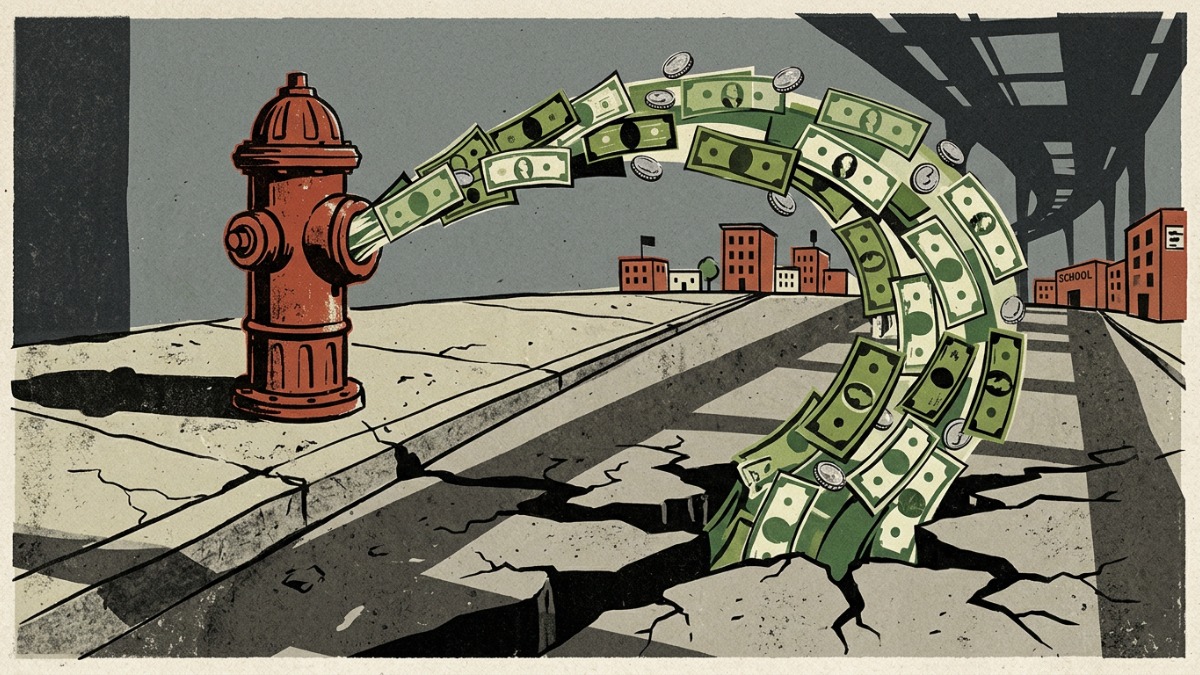
Under New York’s Cannabis Law, 40 percent of state cannabis tax revenue is earmarked for the CGRF, which the Cannabis Advisory Board oversees. The first round of grants, announced in October 2025, sent $100,000 each to 50 youth-serving nonprofits, for $5 million total. CCFY used its award to launch PODER.
13
Graduates in PODER’s first cohort
CCFY’s Round 1 reinvestment grant
Nonprofits funded in Round 1 ($5M total)
Total reinvestment the state says it has planned
State officials lined up to praise the result. OCM Executive Director John Kagia called it reinvestment “in action.” CAB Chair Joe Belluck said the 13 graduates were exactly why the fund exists. Bronx Borough President Vanessa L. Gibson tied the program to public safety, arguing that lasting safety starts with opportunity and education.
NYC Weed News supports the legal market, and we want reinvestment to work. That is why it is worth separating what the release proves from what it implies.
The recidivism number is not PODER’s. The release cites a 33 percent reduction in recidivism, but that figure belongs to CCFY’s older South Bronx Community Connections model, which PODER builds on. PODER’s first class just finished. There are no published outcomes yet on whether these 13 graduates stay out of the system, enroll in school, or land jobs.
We don’t know how many started. The release reports 13 graduates but not how many young people enrolled. Completion rates matter in programs for justice-involved youth, and they help taxpayers judge what $100,000 bought. Divided only by graduates, the grant works out to roughly $7,700 per person, a figure that would drop if more participants were served along the way.
The fund is still small next to the law’s promise. The Assembly’s budget analysis estimated adult-use cannabis tax collections at about $209 million for fiscal year 2025-26 and about $316 million for 2026-27. Forty percent of a single year at those levels would far exceed the $5 million awarded so far, and even the full $35 million the state now describes as planned. How OCM calculates the 40 percent share, and what has been set aside versus spent, is not spelled out in the release.
Round 2 opened on March 18, 2026, with applications due May 13. It is larger: up to $15 million, with awards from $50,000 to $200,000 split into two tiers so smaller groups can compete. It again targets youth-serving nonprofits, this time across five areas: mental health, harm reduction, substance-use disorder services, housing, and workforce development. In late July the state said those applications were in active evaluation. As of this writing, NYC Weed News had not found a public announcement of Round 2 winners.
- How many young people enrolled in PODER’s first cohort, and how many completed it?
- Will Round 1 grantees be required to report outcomes such as rearrest, school enrollment, or employment, and will those reports be public?
- How much cannabis tax revenue has been deposited into the Community Grants Reinvestment Fund to date, and how much has been paid out?
- When will Round 2 awards be announced, and will Round 1 grantees like CCFY be eligible to renew?
None of this takes anything away from the 13 young people who finished. Nine months of showing up is real work, and a program built by people from the same blocks, including a director who came through it herself, is what reinvestment was meant to look like. The test now is whether New York can show the results, grow the fund to match the law, and keep money moving to the groups doing the work.
- NYS Office of Cannabis Management, PODER graduation release (July 30, 2026)
- OCM, Community Reinvestment Program overview
- OCM, Round 2 application announcement (March 18, 2026)
- OCM, Prospective grantees page
- Amsterdam News, Round 2 applications coverage
- Community Connections for Youth, staff page
- Reklaim, NY cannabis market 2026 (citing Assembly budget analysis)
© 2026 NYC Weed News. All rights reserved. Original photography and editorial content may not be reproduced, republished, distributed, or used commercially without written permission.
Editorial Disclosure: This article is independent reporting and was not sponsored, reviewed, or approved by a cannabis licensee. NYC Weed News does not sell cannabis and does not receive a commission from cannabis purchases. References to specific businesses are included for news and identification purposes and do not constitute an endorsement. Cannabis is legal in New York only for adults aged 21 and older. Do not drive while impaired.
Image Credits: All images used in this article are licensed through Adobe Stock for editorial use. Images are the property of their respective photographers and are used in accordance with Adobe Stock’s editorial licensing agreement.
© 2026 NYC Weed News. All Rights Reserved. Independent media covering New York cannabis culture, news, and street life.
NYC Weed News is a creative-first independent media group. Our visual content is produced using a range of AI image generation models including MidJourney, Adobe Firefly, DALL·E, and others. We embrace AI as a core part of our creative identity — and we make no apologies for it.
NYC Weed News is an independent media and informational platform focused on cannabis news, culture, mapping, events, and licensed industry resources. We do not sell cannabis products.
All content is intended for adults aged 21+ and is for informational and educational purposes only. No content on this website should be interpreted as medical or legal advice. Always comply with local laws and consult a licensed professional where required.