📄 Source: OCM Listen & Learn Report, May 2026 · New York State Office of Cannabis Management · 23 sessions · 11 counties · 308 youth · 144 trusted adults · nycweednews.com analysis and commentary
Nearly half of the parents and caregivers who participated in New York’s OCM Listen & Learn sessions had spoken to a young person about cannabis. Only one in ten felt confident in what they said. That gap — between trying to do the right thing and having the tools to do it — is the central crisis this report documents. And it’s a crisis playing out in living rooms across the five boroughs right now.
THE PARENTS
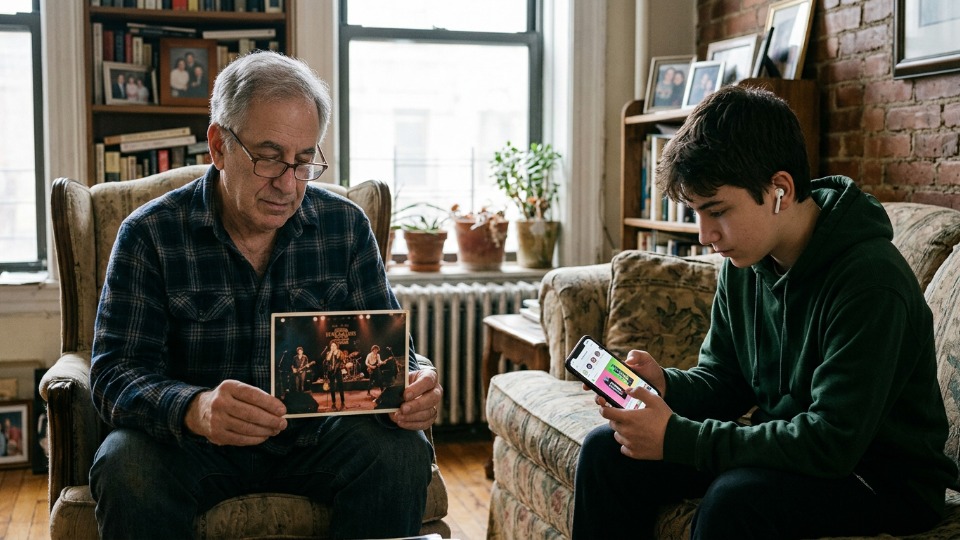
Here is the portrait of a New York parent in 2026: They remember when cannabis was something whispered about, hidden, illegal. They may have used it themselves when they were young — a joint at a concert, or something passed around at a party. They know that what’s on the market now is different — more potent, more varied, more visible. And when their kid comes home from school with questions, or when they smell something on the block, or when the news reports on yet another unlicensed shop selling edibles in candy packaging — they want to say the right thing.
They just don’t know what the right thing is.
~50%
of trusted adults had spoken to a young person about cannabis
1 in 10
cited lack of knowledge as the primary reason conversations didn’t happen
35%
trusted adults felt confident in what they said when talking to kids about cannabis
"Yes, but it didn't do no good. They know more about it than I do."
— Trusted adult participant, Albany
"Nobody talked to me about this when I was a kid, so I don't know where to start."
— Trusted adult participant, Albany
"I didn't know how to talk to him because that's not what we were taught."
— Trusted adult participant, Albany
"My dad smoked but never said a word. I don't want to be like that with my kids."
— Trusted adult participant, Buffalo
What comes through across every region, every community, every demographic in this report is the same thing: parents want to break the cycle of silence their own parents passed down — but the system hasn’t given them the tools to do it differently.
THE GAPS
New York legalized cannabis in 2021 under the promise that regulation would be better than prohibition — that a legal market with licensing, testing, and age restrictions would protect communities better than the illegal market ever did. That argument is correct. But legalization also created a new set of problems that nobody fully anticipated, and this report documents them clearly.
⚠️ THE VISIBILITY PROBLEM
Cannabis is now on storefronts, in advertising, and visible everywhere — including outside schools, in apartment buildings, and in parks. Trusted adults describe “clouds of cannabis smoke” in places where children play. The smell of cannabis in neighborhoods has normalized before the conversation about cannabis has normalized.
✓ WHAT COULD HELP
Zoning enforcement around licensed dispensaries. Clear public signage about consumption rules. OCM public education campaigns that reach parents — not just regulators and industry — with plain-language information about where use is legal and where it isn’t.
⚠️ THE PACKAGING PROBLEM
Multiple trusted adult discussions raised alarm about candy-like packaging on edibles and vapes. Bright colors, cartoon-adjacent designs, gummies that look like snacks. Licensed products are regulated — but unlicensed products in the gray market are not, and those are what kids are actually encountering.
✓ WHAT COULD HELP
Stricter enforcement of OCM packaging standards. Genuine crackdown on unlicensed operators, not just press releases about it. Consumer education on how to identify a legal product versus an illicit one — and making that education easy to find and understand.
⚠️ THE LEGAL CONFUSION PROBLEM
Trusted adults remain uncertain about basic legal rules five years after legalization. Can you smoke in a park? What’s the possession limit? Can you grow at home? What happens if cannabis is found in a teenager’s backpack? These aren’t edge cases — they’re the questions real families are asking and can’t get clear answers to.
✓ WHAT COULD HELP
Plain-language family guides distributed through schools, community centers, and healthcare providers. A simple, findable web page that answers the top 10 family questions about NY cannabis law. Not a regulatory document — an actual human-readable resource.
"You can get it from someone's older brother or cousin, no problem."
— Youth participant, Albany
This quote from a Harlem participant cuts straight to the core contradiction of New York’s cannabis moment. The state sells lottery tickets. It licenses bars. It allows alcohol advertising on every subway car. But when parents try to have an honest, non-hysterical conversation with their kids about cannabis — a legal substance — they find themselves without language, without resources, and without a model to follow.
THE GENERATION GAP
One of the most consistent themes in the trusted adult sessions was this: the cannabis these parents and caregivers encountered when they were young is not what’s being sold, vaped, and eaten today. Older trusted adults remembered experimenting with “a joint” or “regular weed” that felt mild compared to the concentrated, high-potency products now on the market.
"It's not the same weed we grew up with — it's way stronger now."
— Trusted adult participant, Rochester
"Back then you might just smell it at a concert. Now it's in candy bags and vapes."
— Trusted adult participant, Buffalo
"I teach them that it's not completely bad because it's medicinal too."
— Trusted adult participant, Albany
This generational gap matters because it breaks the informal education system that parents have always relied on — personal experience. A parent who smoked a joint at 19 can speak to that experience with some authority. A parent trying to explain a 90% THC concentrate cartridge, a cannabis-infused beverage, or a 50mg edible gummy is operating completely outside their frame of reference. They’re not being negligent. They’re being asked to educate on something they’ve never encountered.
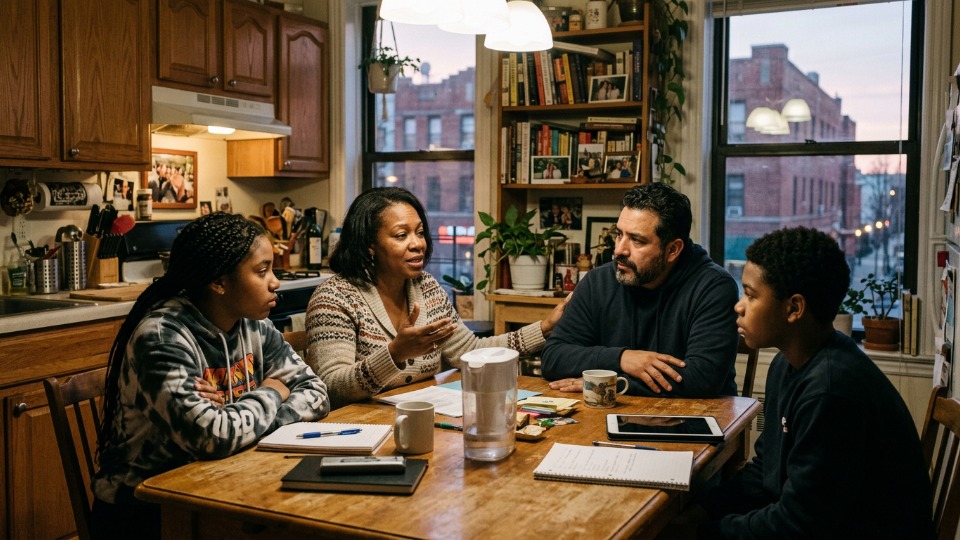
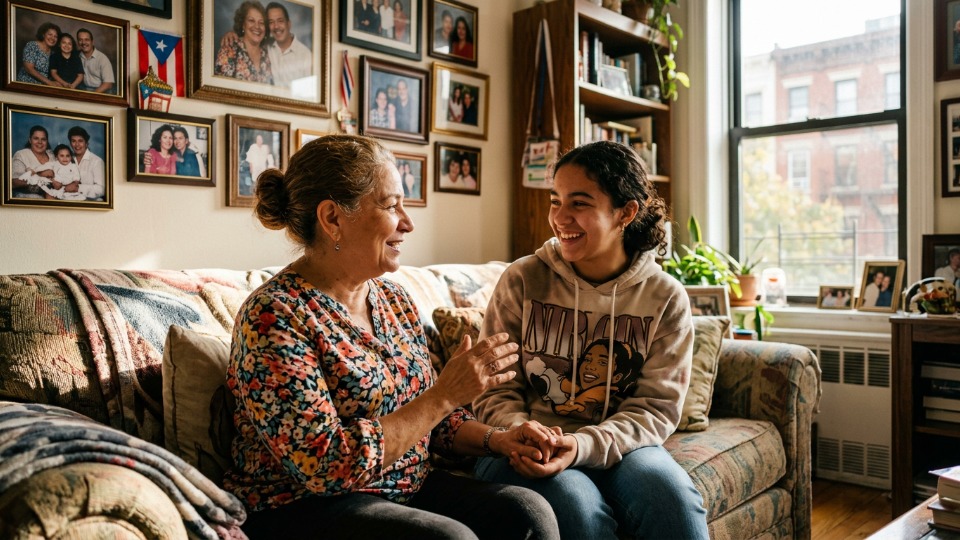
Only one in four youth discussions felt truly comfortable starting a cannabis conversation with a trusted adult. Not because they don’t trust their parents — 60% named parents as their most trusted source of information. But because the experience of asking has too often ended in shutdown, deflection, or punishment. When a teenager asks a question about cannabis and the adult’s response is “don’t do it” or “we’re not talking about that” — the question doesn’t go away. It just gets answered somewhere else.
Our Read on This
New York’s cannabis industry has done a good job building a market. It has done a poor job building the public education infrastructure that should accompany that market. The OCM Listen & Learn Report documents a family system that is trying — genuinely trying — to navigate a new reality and finding very little support from the institutions that created the new reality in the first place.
The industry benefits from normalization. The public health system should benefit from education. Right now, normalization is happening fast and education is happening slow. The families in this report feel that imbalance every day.
We support the legal market. We believe in harm reduction, in honest information, in treating adults as capable of making their own decisions. And that same standard — honest, non-judgmental, complete information — needs to reach every parent who is trying to have a real conversation with their kid and doesn’t know where to start.
Part two of a three-part series on the OCM Listen & Learn Report. All quotes sourced directly from the official report, published May 27, 2026 by the New York State Office of Cannabis Management. © 2026 NYC Weed News. All Rights Reserved.