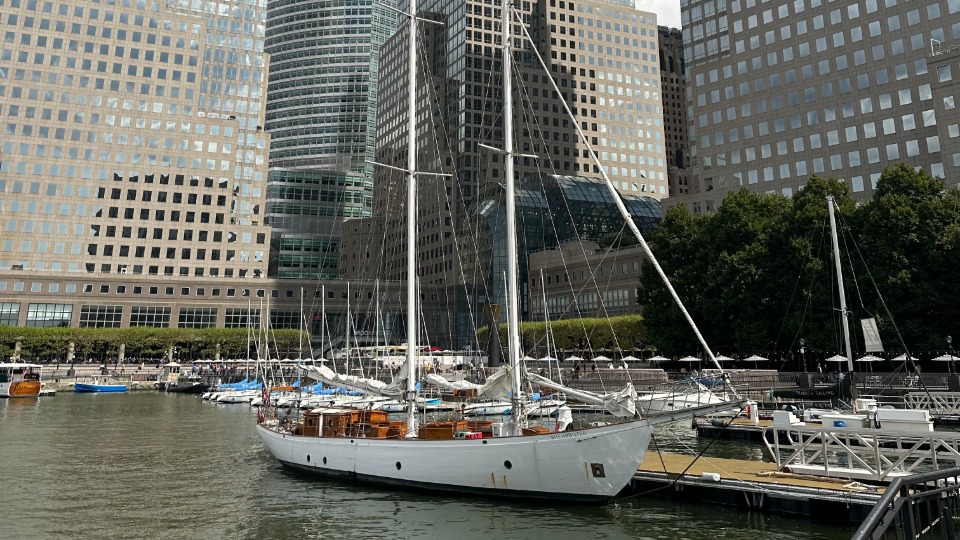
If you’ve walked the East River, the Lower East Side, or Battery Park lately and hit a wall of plywood, cranes, and fencing where a nice waterfront stroll used to be — you’re not imagining it, and no, it’s not just “New York being New York.” It’s one of the biggest infrastructure projects the city has ever taken on.
JULY 5, 2026
Every summer, tourists post up along the East River or wander down toward Battery Park expecting an open promenade, and instead run into a maze of chain-link, temporary walls, and heavy machinery. It throws people off, especially if you don’t know it’s there on purpose. So here’s the plain-English version of what’s actually happening along New York’s waterfront right now — and why it’s going to keep happening for a few more years.
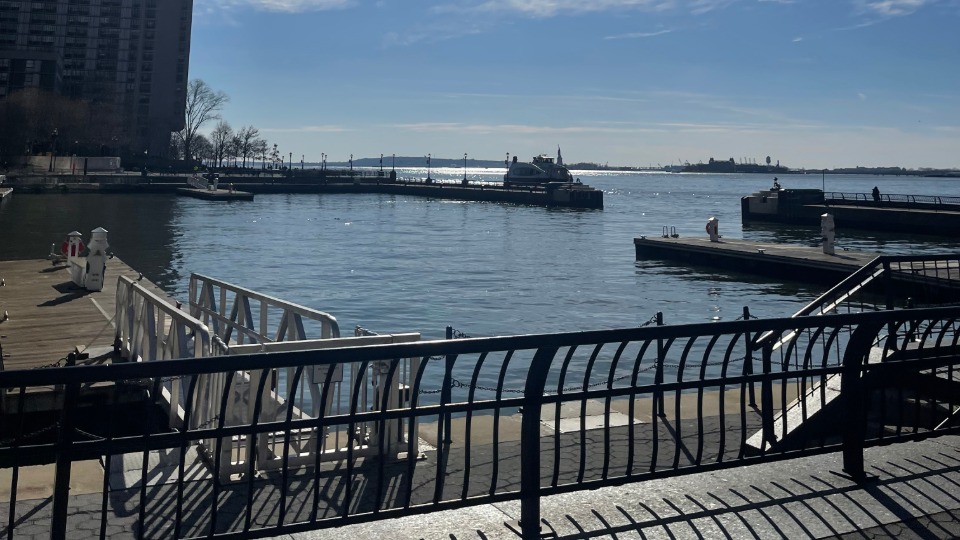
The Short Answer: The City Is Raising Its Sea Walls
After Superstorm Sandy flooded huge stretches of Lower Manhattan, Brooklyn, and Staten Island in 2012, New York started planning a permanent answer: taller, stronger flood barriers along the parts of the city closest to the water. What you’re seeing isn’t random repair work — it’s a coordinated, multi-billion-dollar buildout of floodwalls, raised parkland, and movable flood gates designed to hold back storm surge for the next century of rising seas.
The nickname for the whole vision is “The Big U.” It comes from a post-Sandy design competition and describes a continuous protective line that wraps around Manhattan’s most flood-prone edge, from East 25th Street down around the Battery and up the West Side. Different stretches of that “U” have their own project names and their own construction timelines — which is why it can feel like there’s work happening in five different places at once. There is.
Where You're Probably Seeing It
East River Park & the Lower East Side (East Side Coastal Resiliency)
A 2.4-mile stretch from East 25th Street down to Montgomery Street. The plan raises the park itself several feet, adds floodwalls, and installs 18 movable flood gates that stay open day to day and only close ahead of a storm. Price tag: about $1.45 billion. This is the section most visible to anyone walking the East River esplanade, and it’s the reason parts of East River Park have been closed or rerouted for the past few years.
Two Bridges, from the Brooklyn Bridge to Montgomery Street
A companion project bolted onto the southern end of the East River work, mixing permanent floodwalls with flip-up gates, roller gates, and swing gates that only appear when needed. You may have seen the flip-up barriers on display near South Street.
The Battery & Battery Park City
Down at the southern tip of Manhattan, the historic Battery waterfront and the Battery Park City esplanade are both getting raised and reinforced, with one companion project running along the west side up toward Chambers Street. This is a longer-horizon build, with pieces stretching out toward 2030.
Staten Island's South Shore
A separate Army Corps of Engineers project is adding seawalls and drainage structures to protect neighborhoods that took some of Sandy’s worst damage.
This isn't a pothole getting patched. It's New York building a sea wall for a city that sits at the edge of the Atlantic — one park, one block, one flood gate at a time.
Quick Answers For Anyone Standing at the Fence Line
Why does it look like a wall instead of just a barrier at the water’s edge?
Celebrate safely. However you’re celebrating Thursday — whether you’re posting up early on Broadway for a view of the floats, or watching from home with your people — do it right. This city has waited 53 years for this. Let’s not have it end with anyone getting hurt.
Is this because of a storm that already happened, or one they’re expecting?
Both. It’s a direct response to Superstorm Sandy in 2012, and it’s built to handle the storm surge and sea level rise projected decades into the future — engineers designed it around a worst-case 100-year storm scenario for the 2050s.
When does it actually finish?
In stages. The East River Park section is targeting completion around 2026 into early 2027, the Two Bridges flood gates are expected around mid-2026, and the Battery Park City work runs out toward 2030. If you’re visiting this year, expect to still see active construction somewhere along the route.
Can I still walk the waterfront?
Mostly yes — access shifts as different sections open and close on a rolling basis. Sections south of the Williamsburg Bridge and spots like Pier 42 and Corlears Hook Park have already reopened with new amenities, even while work continues elsewhere on the same stretch.
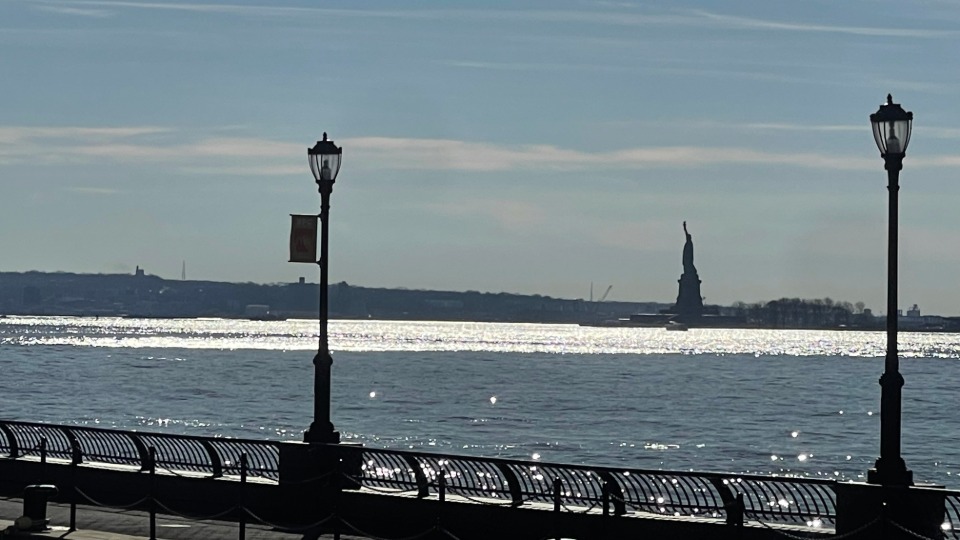
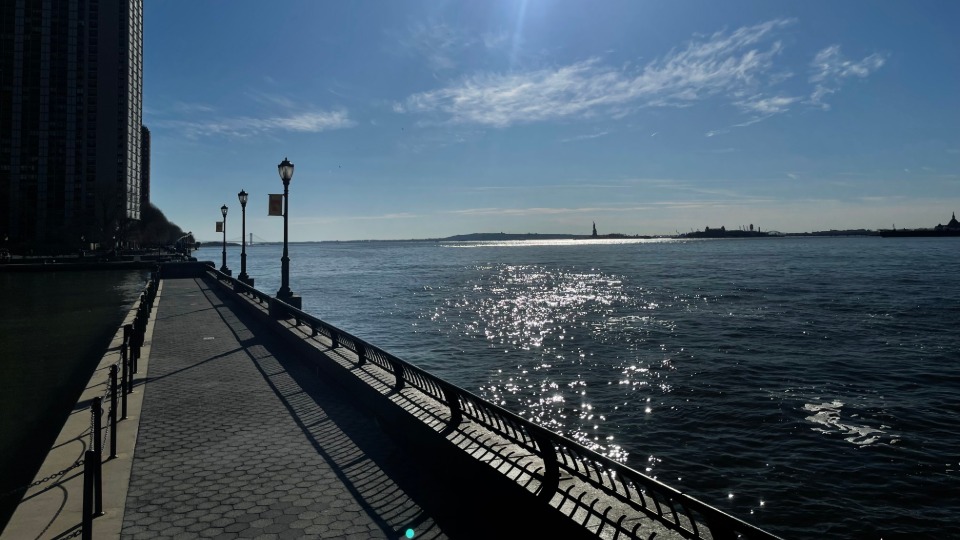
Worth Knowing If You're Exploring the City
If your walk along the water gets rerouted by fencing, it’s not a random construction site — it’s part of a coordinated effort to protect over a hundred thousand New Yorkers from the next big storm. Detour around it, and if you’re near the Lower East Side, take a look at the finished sections like Murphy Brothers Playground or Asser Levy Playground to see what the whole waterfront is going to look like once the rest catches up.