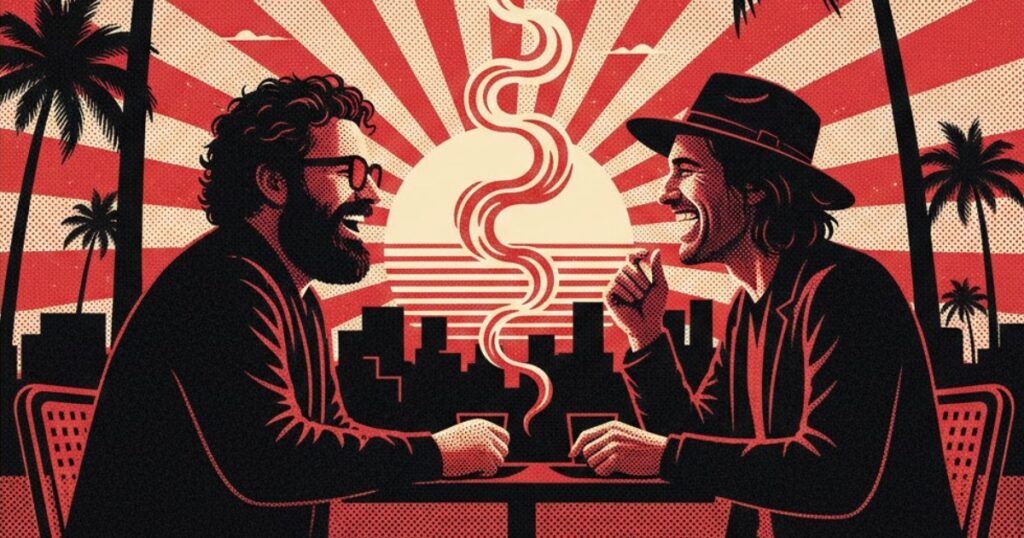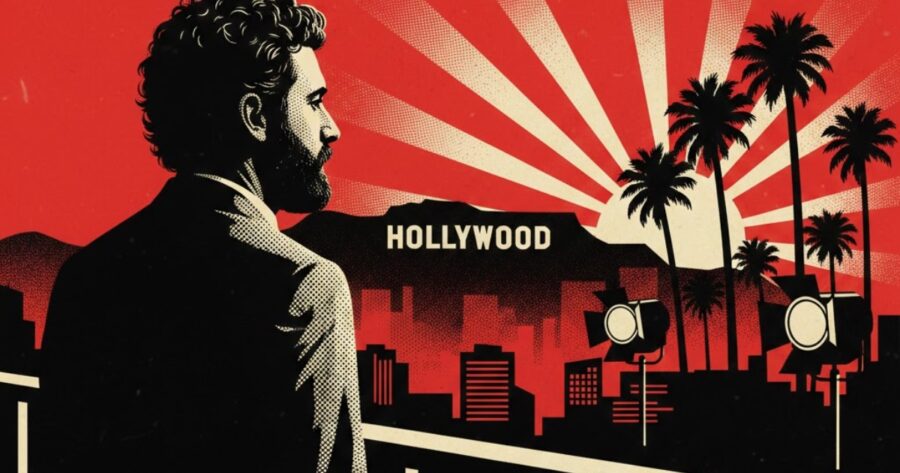
For nearly thirty years, pop culture sold us a prototype: The Stoner.
He was perpetually late, charmingly forgetful, and professionally unmotivated—the ultimate comic relief. But as the 2020s unfolded, a shift occurred. The actor who became the face of that archetype grew up and, through sheer productivity, dismantled the very stereotype he helped create. Seth Rogen didn’t just rebrand; he waited for the world to catch up to his reality.
The First Honest Career in High-Fidelity
Before the legal “Green Rush” of the 2020s, celebrities kept their cannabis affinity behind PR firewalls. Rogen took the opposite route. From Freaks and Geeks to Superbad, and onto executive producing juggernauts like The Boys, his filmography isn’t a “phase”—it’s two decades of relentless output.
In the NYC market of 2026, where “authenticity” is the ultimate currency, Rogen’s consistency is the point. The old guard of critics argued that cannabis hindered achievement; meanwhile, millions were consuming content written by a man who openly prefers working while high. The stereotype didn’t survive contact with his productivity. Rogen didn’t just play the stoner; he normalized the professional.
From Novelty to Design: The Houseplant Blueprint
When legalization finally hit the mainstream, most celebrity forays felt like “merch”—slapping a famous name on a jar and hoping for the best. Rogen approached it as a design-forward lifestyle project.
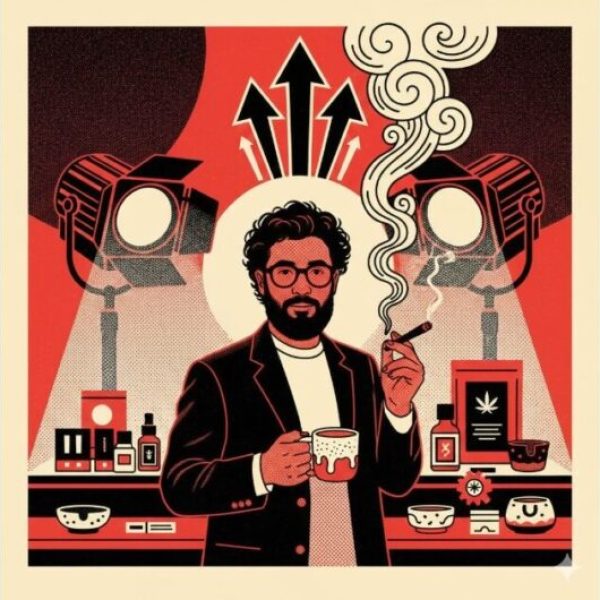
Co-founding Houseplant in 2019 was a pivot toward “Cannabis 2.0.” Instead of neon “Open” signs and teenage aesthetics, he introduced:
Architectural Ceramics: High-end ashtrays and “Gloopy” vases that double as home decor.
Curated Playlists: Vinyl pairings for specific smoking sessions.
The “Apple” Aesthetic: Packaging and branding that feels closer to streetwear or luxury audio equipment than a gas-station head shop.
By removing the “outlaw” imagery, Rogen built a brand meant to live inside the legal retail ecosystem. He shifted the conversation from “getting high” to curating a lifestyle.
The Artist Phase: Craft Over Counterculture
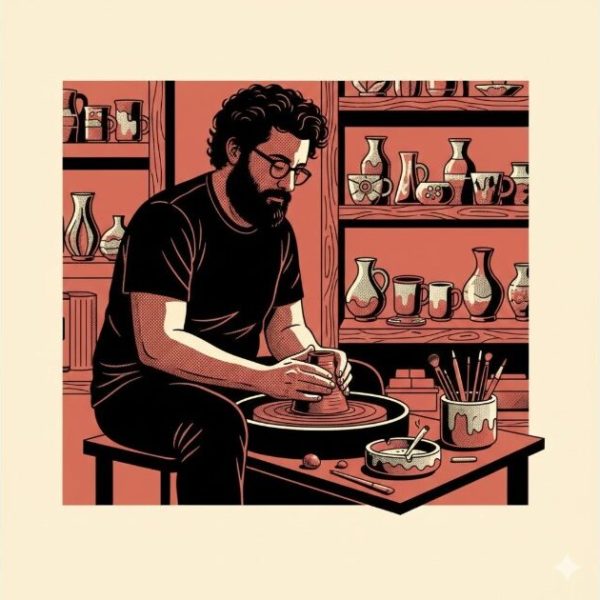
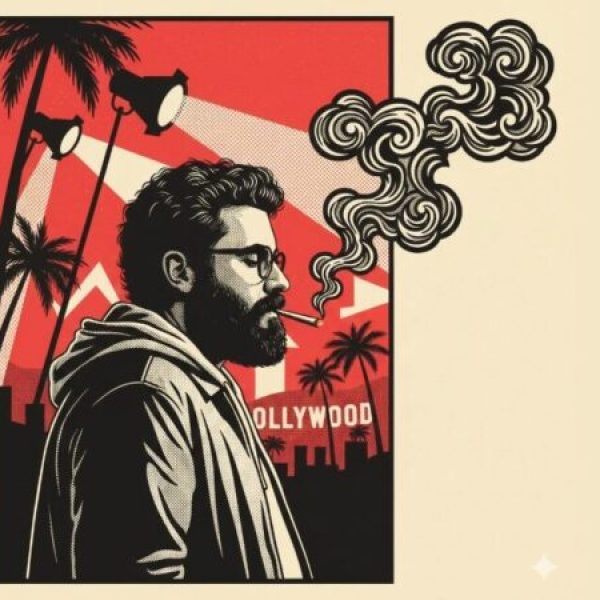
The final blow to the “lazy stoner” myth came when Rogen began posting his pottery online. It wasn’t a marketing stunt or an ironic bit; it was craft. Historically, cannabis culture was viewed as a rebellion against professionalism. Rogen’s version lives comfortably alongside it. In the high-pressure environment of New York, his message resonates: you can lead a business meeting in the morning, throw clay in the afternoon, and consume cannabis throughout—remaining the same high-functioning individual.
Where to Find the “House” in NYC
If you’re looking to upgrade your living room with Rogen’s “furniture-level” aesthetics, several licensed NYC retailers have begun integrating Houseplant’s high-design paraphernalia.
Gotham NYC (East 3rd St): Known for its “gallery-meets-dispensary” vibe, Gotham frequently carries Houseplant essentials like the Joint Buffet and Ash & Scent sets.
The Travel Agency (Union Square/SoHo/Brooklyn): This elevated retail chain focuses on high-end lifestyle products that align perfectly with Rogen’s minimalist aesthetic.
ESSX NYC: A boutique spot often carrying the Moss ashtray sets and limited vinyl box sets for the true collector.
Opening the Door: The Celebrity “Green” Wave
Rogen is the operator, but he isn’t alone in this Hollywood-to-Hemp pipeline. His success paves the way for a deeper look at other icons who have moved from “faces” of the movement to “founders” of the industry.
Woody Harrelson: The legacy activist who brought a Zen-inspired, organic oasis to West Hollywood with his dispensary and consumption lounge, The Woods.
Snoop Dogg: The undisputed king of the culture, whose S.W.E.D. (Smoke Weed Every Day) stores and Death Row Records cannabis lines are now expanding into massive digital marketplaces.